Top siding contractors: Ways to Preserve Your Siding for Longevity
New siding for homes: We Provide Expert Outside Cladding Replacement To Enhance Your Home'S Resilience And Appearance
Checking Out the Varied World of Siding Materials
When you believe about siding setup, what's the very first image that pops into your head? read more Is it the classic charm of wood, or maybe the sleek, modern appearance of vinyl? The reality is, the choice of siding materials can change not just the outside of a home, however its entire personality. Let's take a stroll through a few of the most popular options and uncover what makes every one tick.
Wood Siding: Ageless Elegance
Wood siding whispers stories of tradition and craftsmanship. It ages gracefully, developing a patina that many property owners value. Be careful-- wood demands attention. Without appropriate upkeep, it can succumb to rot or bugs. Have you ever appreciated a centuries-old home with radiant wood siding? That warm, inviting aura doesn't come without effort.
Vinyl Siding: Low Upkeep Champ
Vinyl siding often takes the spotlight for its sturdiness and ease of care. It withstands fading, breaking, and peeling, making it a favorite for busy house owners. Some state it does not have the soul of natural products. Still, its cost and range of colors make vinyl a useful choice that fits many budget plans and styles.
Fiber Cement: The Versatile Competitor
Think of a material that combines the best of wood and vinyl-- welcome to fiber cement. This siding simulates the texture of wood, however laughs in the face of fire and insects. It's like the superhero of siding products. Setup requires a skilled hand, the reward is a robust, lasting outside with a touch of sophistication.
Metal Siding: Industrial Flair Meets Durability
Metal siding is not just for barns any longer. Aluminum and steel choices bring a sleek, contemporary edge to property homes. They resist weather extremes and are surprisingly lightweight. But does their sometimes cold appearance fit every neighborhood? That's a concern worth considering.
Other Noteworthy Options
- Brick veneer: Classic and strong, using a classic look with minimal upkeep.
- Stucco: Smooth and Mediterranean, best for warmer environments.
- Stone veneer: Includes texture and luxury without the heavy cost of complete stone walls.
| Product | Upkeep | Durability | Expense | Visual Appeal |
|---|---|---|---|---|
| Wood | High | Moderate | Medium to High | Warm, natural |
| Vinyl | Low | High | Low to Medium | Differed colors |
| Fiber Cement | Moderate | Very High | Medium | Wood-like texture |
| Metal | Low | High | Medium | Modern, streamlined |
Each material has its story, its strengths, and its peculiarities. The real concern is: which siding will best echo the soul of your home? Siding setup isn't merely about protection-- it's about expression. So, as you weigh your alternatives, consider what story you desire your walls to inform.
Preparation and Surface Area Evaluation: The Unsung Heroes of Siding Setup
Think of attempting to dress a house in a new coat, however underneath, the skin is peeling, damp, and filled with surprise rot. Would that fresh exterior hold up, or would it become a pricey error? Preparation is not simply a step-- it's the really structure of an effective siding installation.
Why Surface Area Evaluation Can not Be Hurried
One glimpse at a relatively sound wall can be tricking. Underneath layers of old paint or broken vinyl, moisture damage and structural decay typically prowl. Disregarding these subtle signs is like developing a castle on sand. Here's what you should inspect before the first nail enters:
- Wetness Levels: Use a moisture meter to discover dampness inside the walls-- covert water can screw up siding adhesion and welcome mold.
- Structural Integrity: Tap boards for softness or hollow noises, revealing possible wood rot or termite damage.
- Old Siding Condition: Check if the existing siding is firmly connected or peeling away; loose siding should be eliminated to avoid future warping.
- Flashing and Trim: Examine for rusted or damaged flashing that could leakage behind the brand-new siding.
Professional Tips to Nail the Preparation Stage
- Tidy Thoroughly: Pressure wash or scrub the surface area to eliminate dirt, mold, and mildew. Dirt can avoid sealants and adhesives from bonding effectively.
- Level the Surface Area: Utilize a leveling tool to discover uneven locations; shim or sand down high areas. An unequal substrate results in visible ripples or spaces in the siding.
- Repair work and Replace: Address any broken sheathing or framing right away. Replacing simply one rotten stud can conserve thousands in future repairs.
- Set Up a Moisture Barrier: Use a weather-resistant barrier to protect against water infiltration, especially in rainy climates.
Typical Oversights That Expense Time and Money
| Oversight | Effect | Professional Option |
|---|---|---|
| Avoiding Moisture Inspect | Hidden water promotes mold and siding failure | Use a moisture meter and hold-up siding up until dry |
| Failing to Eliminate Old Siding | Results in unequal surface area and poor adhesion | Strip old siding and prep the bare wall |
| Overlooking Flashing Condition | Water permeates behind siding triggering damage | Replace or fix flashing before setup |
Ask yourself: how confident are you that the wall beneath your future siding is prepared to stand up to weather condition and time? Precision in preparation is the distinction in between a siding task that lasts decades and one that requires premature repairs. Keep in mind, the very best siding is only as good as the surface area it sticks to.
Precision in Preparation: The Foundation of Siding Installation
Before the first panel touches the wall, meticulous surface preparation is non-negotiable. Picture avoiding this action-- you run the risk of trapping moisture, causing rot or mold. The secret depend on an extensive assessment: remove old siding thoroughly to prevent damaging the sheathing, and ensure the wall is dry and flat. An uneven substrate will haunt your siding's appearance and toughness.
Tools like a chalk line and laser level become your friends here. The chalk line isn't just for marking straight lines; it's your visual compass, guiding each plank into ideal alignment. And when walls decline to be real, a laser level exposes the subtle dips and bulges that your eye may miss out on.
The Art of Nailing: More Than Simply Hammering
It's tempting to believe that pounding nails rapidly is the method forward, however in siding setup, finesse trumps force. Overdriven nails can deform panels, while underdriven ones fail to secure them appropriately, letting wind sneak in. Constantly choose nails that are corrosion-resistant and of the ideal length-- too brief, and you run the risk of weak anchorage; too long, and you may puncture vapor barriers.
- Nail spacing: Maintain constant periods, normally 16 to 24 inches, depending on siding type.
- Securing technique: Drive nails directly, perpendicular to the wall surface to prevent warping.
- Allowance for growth: Leave a small gap between nail head and panel surface area to accommodate natural material motion.
Cutting Corners? Reconsider-- Cutting Panels Right Matters
Cutting siding panels demands precision and the right tools. A portable circular saw with a fine-tooth blade ensures clean edges without splintering. For vinyl or fiber cement siding, a score-and-snap method can be efficient, but beware-- incorrect cuts can cause fractures or irregular joints. Constantly measure two times, cut when.
Have you ever saw how some siding jobs look like patchwork quilts? Frequently, that's the outcome of irregular cuts and careless joints. Utilizing jigs or stops on saws can develop uniform lengths, making your siding appear seamless and expert.
Installation Series and Weatherproofing
The order in which you set up starter strips, panels, corner trims, and soffits impacts the siding's longevity. Starting from the bottom and moving upward permits water to shed naturally, mimicking nature's own drain patterns. Overlapping edges ought to constantly face downwards-- think about it like shingles on a roof.
| Installation Step | Key Suggestion | Common Issue to Prevent |
|---|---|---|
| Beginner Strip | Ensure level positioning for the very first row | Uneven base resulting in uneven siding |
| Panel Positioning | Leave growth gaps (1/8 inch) | Panels buckling or splitting in heat |
| Corner Trim | Overlap edges securely to prevent drafts | Water infiltration at seams |
The weather plays a quiet yet powerful role-- install siding when temperature levels hover within suggested varieties to avoid product contraction or growth that could threaten the fit. Ever battled with siding that contorts after a cold wave? That's the product reacting to improper installation conditions.
Maintenance and Repair Work Methods for Siding Setup
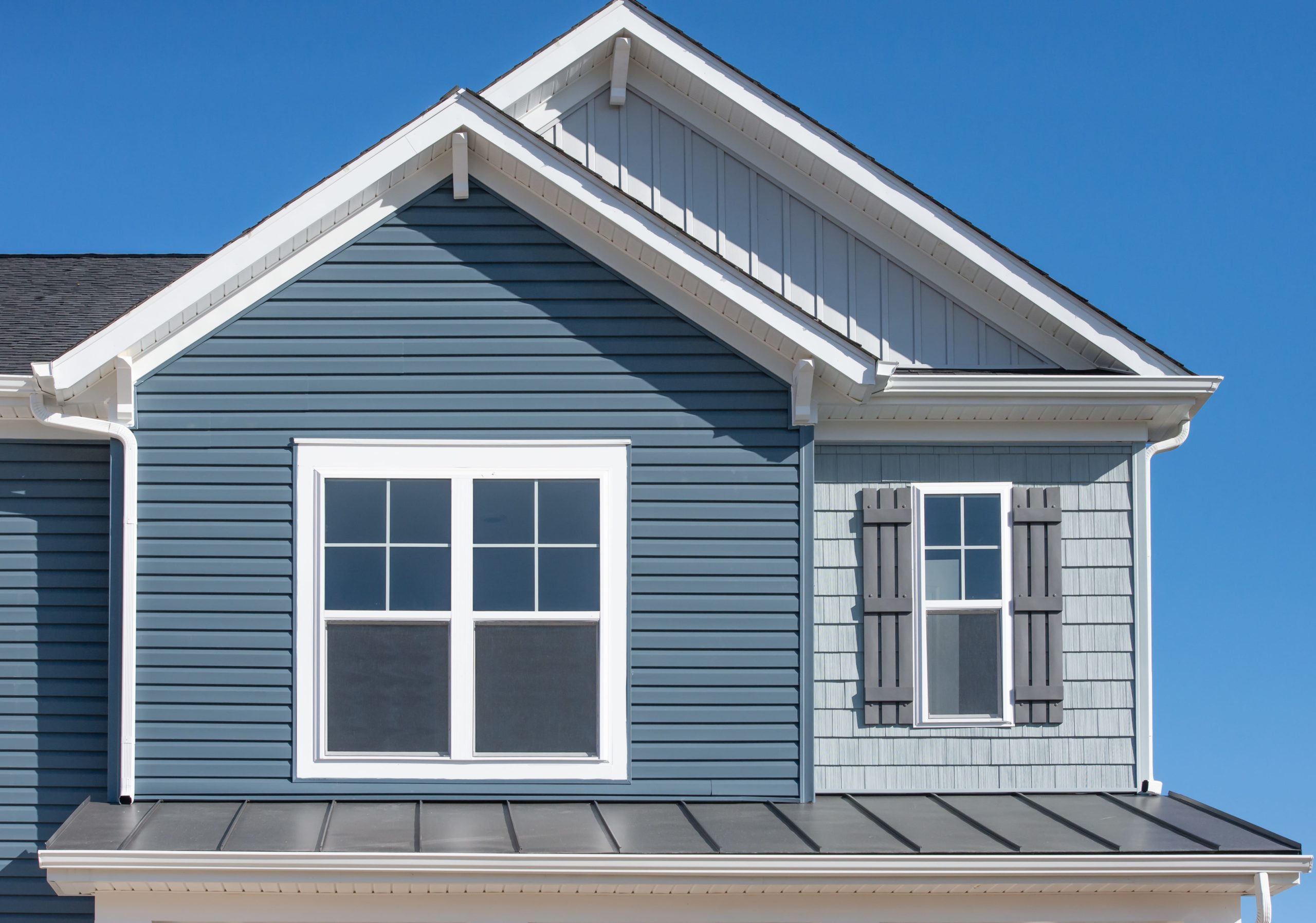
When it pertains to keeping siding installation, a quick glance might trick you into believing it's almost periodic cleansing. But underneath the surface, the genuine test depends on protecting the integrity of your siding against time's silent disintegration. Ever observed a little fracture on your vinyl siding and dismissed it? That tiny crack might invite moisture, leading to mold development and even structural decay. Don't neglect these subtle cautions.
Discovering Early Signs of Wear
How typically do you carry out an extensive examination? Lots of house owners just check their siding during spring cleansing, missing out on the subtler signs of damage after harsh winter seasons or heavy storms. Here are a few specialist suggestions to assist you spot problems before they intensify:
- Try to find staining or fading, which can indicate UV damage or poor paint adhesion.
- Tap the siding gently; hollow sounds might expose wetness behind the panels.
- Examine for loose or deformed boards, as these can interfere with the protective barrier.
- Check caulking around doors and windows-- weather condition can trigger it to split or peel.
Repair Methods That Extend Longevity
Repairing siding is more than covering holes or repainting. It's about understanding the material and the environment it inhabits. When dealing with wood siding, a simple sanding followed by a quality primer and paint can restore its appeal-- however avoiding the primer can be a pricey oversight.
Vinyl siding demands a various method; deformed sections may need to be carefully popped out and replaced to preserve a smooth look. And for fiber cement siding, precise attention to sealing edges prevents water invasion, which is typically the quiet perpetrator behind premature destruction.
Advanced Repair Tips:
- Utilize a moisture meter to find concealed wetness before starting repair work.
- Apply a versatile, weather-resistant caulk around all seams and nail holes.
- Match paint colors utilizing a spectrophotometer for near-invisible touch-ups.
- Replace harmed panels completely rather than patching when rot or mold is evident.
Regular Maintenance Checklist
| Upkeep Job | Frequency | Specialist Tip |
|---|---|---|
| Cleaning siding surfaces | Twice a year | Utilize a soft-bristle brush and mild cleaning agent to prevent surface damage |
| Examining for cracks or gaps | Quarterly | Concentrate on corners and joints where weather condition direct exposure is highest |
| Repainting or resealing | Every 5-7 years | Pick paints with UV defense and mildew resistance |
| Checking caulking and seals | Every year | Replace breakable or cracked caulk right away to prevent leaks |
What's the expense of disregard? Beyond cosmetic imperfections, poorly preserved siding can cause wetness seepage, inviting pests or triggering insulation to lose effectiveness. The phrase "a stitch in time saves nine" rings specifically real here-- timely, educated maintenance protects your investment and peace of mind.